



Signs of Squirrels in a Lake Geneva Attic and When to Call
his article explains the signs of squirrels in a Lake Geneva, WI, attic, why these animals are a problem for older homes, and when a professional squirrel removal visit is the right next step. Squirrels can cause damage that grows quickly, so knowing the early warning signs helps homeowners act before small problems become costly ones.
Why Squirrels Are a Common Problem in Lake Geneva Homes
Squirrels are one of the most common nuisance wildlife complaints in Walworth County. The wooded lakefront neighborhoods near Geneva Lake, older homes near the downtown historic district, and heavily treed residential streets all create ideal habitat for them. Mature hardwood trees give squirrels easy access to rooftops year-round.
Cooler Wisconsin winters push squirrels to seek warm shelter inside structures. Activity in the Lake Geneva area often peaks from late summer through early fall, when squirrels prepare nests and stored food for the colder months. Homeowners who notice signs during this period can often catch a problem before it spreads.
Common Signs of Squirrels in an Attic
Squirrels are active during the day, so the signs are usually easy to hear and see. Learning what to look for helps you tell squirrels apart from other attic visitors.
- Scratching or scurrying sounds. Squirrels make noise in the morning and evening, and the sound is often heavier than a mouse.
- Chewed soffits, fascia, or vents. Squirrels gnaw through wood and plastic to make new openings.
- Gnaw marks near the roofline. Look for fresh marks around soffit panels, roof vents, and the edges of fascia boards.
- Nesting debris. Shredded insulation, leaves, and twigs in the attic often point to a nest.
- Droppings and odor. Droppings in the attic or a musty smell can signal an active nesting area.
Any one of these signs can justify a closer look. Two or more together usually mean squirrels have already moved in.
How Squirrels Get Inside a Lake Geneva Home
Squirrels enter homes through small gaps at or near the roofline. A gap about the size of a golf ball is large enough for an adult squirrel to pass through.
Common entry points in Walworth County homes include:
- Damaged or missing soffit panels.
- Unscreened roof vents and gable vents.
- Gaps where the roofline meets the fascia board.
- Deteriorating chimney caps or flashing.
- Rotted trim boards near the eaves.
Many of these entry points sit high on the house and are hard to see from the ground. A thorough inspection of the roof edge and attic is the most reliable way to find them.
Why Squirrel Activity Can Become a Safety Issue
Squirrel damage is more than a nuisance. Squirrels chew electrical wiring, which can create a fire hazard inside the wall or attic. They also destroy insulation, which reduces how well the attic holds heat in winter and cool air in summer.
Droppings and nesting material can also contaminate the attic over time. Because squirrels can open new entry points while they search for space, a small problem can lead to larger damage across the roof and attic.
When to Call a Professional Squirrel Removal Service
Homeowners should consider calling a professional if they hear activity in the attic, see fresh damage near the roofline, or find nesting material. Squirrel removal is not a task most homeowners can handle safely on their own, because squirrels are fast and can become aggressive when cornered.
A professional squirrel removal visit typically follows a few steps:
- A full property inspection to find every entry point and assess how much activity is present.
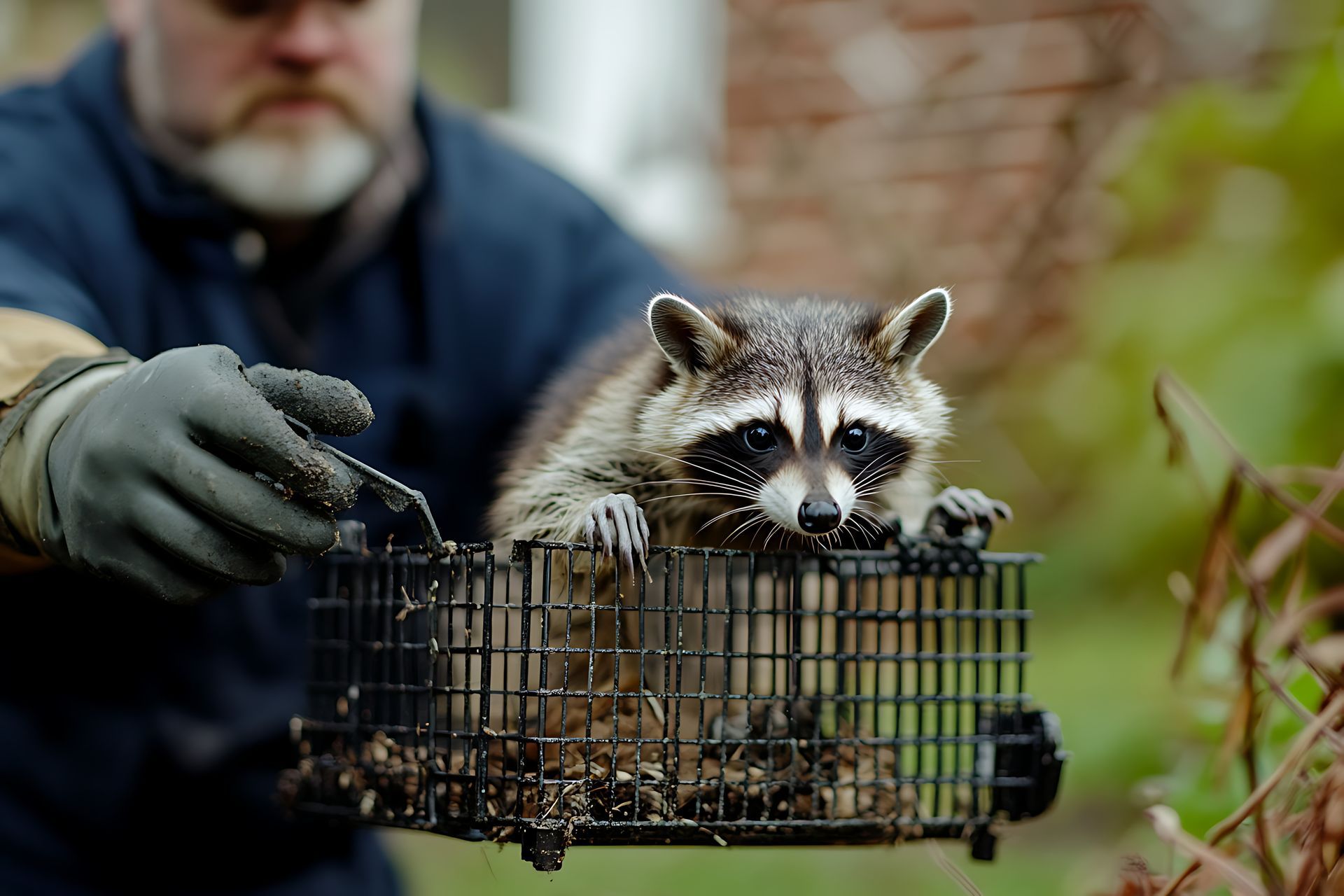
- Placement of humane traps near the confirmed entry areas.
- Safe removal and relocation in line with Wisconsin DNR requirements.
- Sealing of each identified gap with professional-grade materials.
- A follow-up check to confirm the squirrels are gone and the exclusion is holding.
Experienced technicians also look for problems that squirrels leave behind, such as damaged insulation or wiring. Repairing that damage can help protect the home after the animals are removed.
Preventing Squirrels From Returning
Once squirrels are removed, sealing entry points is the most important step. Squirrels will often test a home again if an opening remains. Homeowners can help prevent repeat problems by checking the roof edge once a year, repairing soffit gaps, and making sure roof vents have proper screening.
Trimming tree branches that touch the roof can also reduce access. Each of these steps is easier to complete when it is done before squirrels arrive.
Next Steps for Lake Geneva Homeowners
If you suspect squirrels in your attic, act early. Note when you hear activity, look for damage near the roofline, and avoid trying to trap or handle the animals yourself. A professional inspection can confirm what is happening and recommend the right solution.
For squirrel help, learn more about squirrel removal in Lake Geneva.
All Wildlife Animal Eviction Wisconsin has served the Lake Geneva area for over 40 years, offering licensed, humane service and repairs in-house. Call
262-960-5705 or send a message through
the contact page to schedule an inspection.
Find us on our
Google Business Profile.