


Bat Removal in Wisconsin: What Lake Geneva Homeowners Need to Know in 2026
Bat exclusion in Wisconsin is a regulated, time-sensitive process. Lake Geneva, WI, homeowners who discover bats in their attics in 2026 need to understand the rules before acting.
Walworth County's older lakeside cottages, converted boathouses, and century-old homes along the Geneva Lake shoreline give bats exactly what they look for: warm attic spaces, unfinished soffits, and gaps near rooflines. Bat removal in Lake Geneva, WI, is not as simple as sealing a hole. Wisconsin law, health considerations, and bat biology all shape what you can do and when.
What Is Bat Exclusion and How Is It Different from Extermination?
Bat exclusion is the only legal and effective method for removing bats from a home in Wisconsin. Bats are protected under state law, and extermination is not an option.
Exclusion involves sealing a building except for primary exits, which are fitted with one-way doors that let bats leave but block re-entry. The Wisconsin DNR recommends leaving one-way devices in place for approximately 7 to 10 days before permanently closing those entry points.
A common mistake is immediately sealing the gap where bats enter. Bats stranded inside will scramble into living spaces or die in wall voids, creating odor problems and potential health hazards.
When Can Bat Removal Legally Happen in Wisconsin?
Timing is the most important factor for bat exclusion in Wisconsin. The Wisconsin DNR prohibits exclusion from June 1 through July 31 to protect nursing bat pups. Previously, the restricted period extended through August 15, so the updated window gives homeowners more flexibility.
Exclusion completed from August 1 through May 31 falls under the Wisconsin DNR's Broad Incidental Take Permit and requires no special permit. The fall window from August onward is an ideal time for Lake Geneva homeowners to act before bats move toward hibernation sites as temperatures cool through October.
Exclusion works best when temperatures stay consistently above 50 degrees Fahrenheit and bats are active, which typically means late summer through early fall in Walworth County.
If a landowner believes bats pose a health or safety risk during the restricted period, exclusion may still be completed by submitting a health exemption form to the DNR.
Why Is Bat Guano in Your Attic a Health Concern?
Bat guano creates serious health risks over time. Histoplasmosis is a fungal disease caused by airborne spores in dried droppings; inhaling that dust is especially dangerous for people with weakened immune systems, young children, and the elderly. For families opening a Lake Geneva vacation home after winter, disturbing settled guano without precautions carries real risk.
Rabies is an additional concern. The rabies virus is prevalent in bat populations, which is a primary reason removal from any building where humans live or work is strongly recommended.
Guano cleanup should never be treated as a routine attic cleaning job. Proper protective equipment and safe containment methods are required to avoid stirring dried material into the air.
Wisconsin DNR Bat Protections and Why Licensed Operators Matter
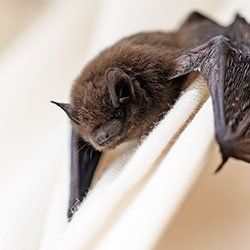
Little brown bats, big brown bats, northern long-eared bats, and eastern pipistrelles are all protected in Wisconsin and are the species most often found in Walworth County homes. Several are state-threatened after declines from white-nose syndrome, a fungal disease that has reduced bat populations across the upper Midwest.
Working with a licensed wildlife control operator matters because the operator knows current DNR regulations, can identify all entry points (bats can squeeze through gaps as small as 3/8 of an inch), and handles guano cleanup safely. DIY exclusion outside the legal window or without proper sealing can result in regulatory violations, a larger infestation, or lingering health hazards.
Frequently Asked Questions About Bat Exclusion in Wisconsin
Is It Illegal to Remove Bats from My House in Wisconsin?
No. Intentionally harming bats is illegal, but exclusion using one-way devices during the permitted seasonal window is the legal, approved method. Removal is encouraged given the health risks bats pose to humans.
What Happens If I Find Bats During the Restricted June 1 to July 31 Period?
If bats are routinely entering the living space and posing a health risk, the landowner may conduct exclusion by completing and submitting the DNR's Health Exemption Form. A licensed operator can help evaluate whether your situation qualifies.
Do I Need to Clean Up Guano After the Bats Are Gone?
Yes. Dried guano can continue to pose a histoplasmosis risk if disturbed during future attic work. A licensed operator can assess accumulation and perform safe, contained cleanup using proper protective equipment as part of the exclusion service.
Get Expert Help Serving Lake Geneva Homeowners This Season
Bat removal is time-sensitive, regulated, and requires the right approach to protect both your home and Wisconsin's threatened bat species. If you have heard scratching in your attic, spotted bats at dusk near your roofline, or found evidence of guano, act before the fall window closes.
All Wildlife Animal Eviction Wisconsin has been serving the Lake Geneva, WI, area and all of Walworth County for over 40 years. The team operates 24 hours a day, 7 days a week, and follows all Wisconsin DNR guidelines for humane bat exclusion. Call (262) 960-5705 to schedule an inspection, or reach out through the contact page to request a free quote. You can also learn more about the full range of animal removal services available across southeastern Wisconsin.